

Criminals are targeting what makes you a good parent
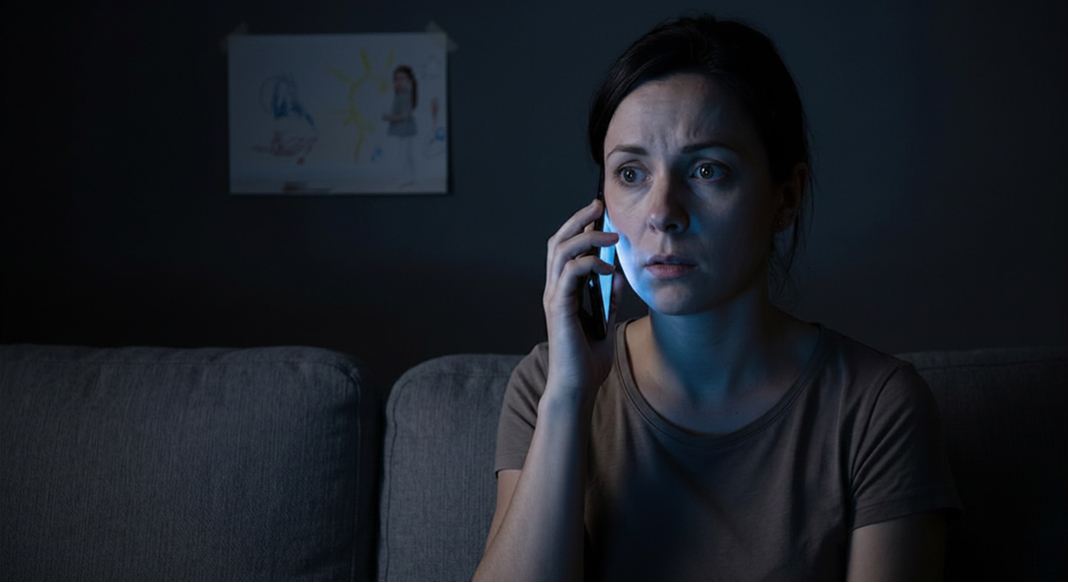
The phone buzzed. Her daughter needed help. She didn’t hesitate.
Every parent knows that sinking feeling when their child’s name appears on their phone. The urge to help is automatic. Now, criminals are taking advantage of this instinct and using it to steal millions from families worldwide.
Last year, the FTC reported almost 850,000 impersonation scams in the United States, leading to $2.95 billion in losses.
Say hello to the “Hi Mum” scams that are taking over.
What is a hi mum scam?
“Hi Mum, I dropped my phone. This is my new number.”
Messages like this have already cost families hundreds of millions of dollars, and the problem keeps growing.
Criminals send texts or WhatsApp messages to parents, pretending to be their child. The story usually goes like this: the phone is broken, the number is new, and they need help.
Why it works
This scam works because it takes advantage of a parent’s love, using their instincts to protect and help their child. It creates urgency and emotional pressure, making it hard to think clearly.
Many people think, ‘I’d never fall for that.’ But research shows that people aged 35 to 45 are the most likely to respond.
After the first shock, the scam follows a clear pattern. The scammer makes it urgent and asks for a small, specific amount—always “just enough to get by.” They also ask you not to call anyone else, saying the phone is broken or the situation is embarrassing, and they want to keep it between you.
This last step is often the most effective. It isolates the victim and makes the request feel like an act of love, not a scam.
By the time you start to doubt the story, the money is usually already gone.
When the scam got a voice
For years, the Hi Mum scam had one weakness: if a parent called their child back, the scam would end immediately.
Now, that weakness is gone.
In September 2024, Frank Shooster, a 70-year-old retired attorney in Florida, got a call from his son Jay. The voice sounded just like Jay’s as it described an accident, a legal problem, and an urgent need for $35,000. But it wasn’t his son. It was an AI-generated copy of Jay’s voice, made from social media audio and simple, cheap software.
Luckily, something made Frank stop before he sent the money. But his experience is no longer unusual.
According to the FBI, Americans lost $893 million to AI-driven scams in 2025, and voice cloning for family distress calls is one of the fastest-growing types.
Now, the technology only needs less than three seconds of audio to make a convincing fake. That audio could come from a birthday video, a voicemail, or even a short Instagram story.
The consequences are serious. With text messages, you might notice something is wrong, like the way it’s written doesn’t feel right. But a voice has something special, a sound only someone you love has. When that is faked perfectly, even your strongest instincts can be fooled.
This isn’t just a future threat. It’s the reality of Hi Mum scams in 2026.

How to protect yourself
The good news is that it’s simple to protect yourself. The bad news is that most families don’t take these steps until it’s too late. Here are some ways to stay safe.
Start by setting up a family safe word to use whenever someone asks for help or money over the phone.
If the person on the phone or in a text can’t give you the safe word, end the conversation.
Choose a word that is random. Don’t use anything that others might know, like your address, a birthday, or your pet’s name.
Next, set up some simple rules. These rules are easy to follow and they work.
Never send money based on a text or call from an unknown number, no matter how convincing the story sounds.
Hang up and call your child back using the number you already have. If they say their phone is broken, call someone else who knows them. A real emergency can wait a couple of minutes. A scam won’t.
Be careful if someone is pressuring you to act quickly. Anyone who tries to rush you is not your friend, and they are almost certainly not your child.
If your kids use social media, talk to them about what they share. Voice notes, videos, and casual clips can all be used by the wrong people.
And, if you think you’ve been targeted, speak out.
Contact your bank or local law enforcement and report the fraud. Many victims don’t report because they feel embarrassed, but staying silent is what allows these scams to continue.
Reporting is crucial not only for addressing your own situation but also for enabling authorities to track emerging scams and protect others.
The people behind these scams are organized, have plenty of resources, and don’t care about the harm they cause.
The best way to protect your family is to have a conversation you might not have had yet.
Have it today.
Say goodbye to “Hi Mum” scams.
This article was written by Cywareness, a company specializing in cybersecurity awareness.
As part of its mission, Cywareness continues to monitor emerging trends, analyze real-world attacks, and share practical insights to help organizations stay ahead in today’s evolving threat landscape.
The phone buzzed. Her daughter needed help. She didn’t hesitate.
Every parent knows that sinking feeling when their child’s name appears on their phone. The urge to help is automatic. Now, criminals are taking advantage of this instinct and using it to steal millions from families worldwide.
Last year, the FTC reported almost 850,000 impersonation scams in the United States, leading to $2.95 billion in losses.
Say hello to the “Hi Mum” scams that are taking over.
What is a hi mum scam?
“Hi Mum, I dropped my phone. This is my new number.”
Messages like this have already cost families hundreds of millions of dollars, and the problem keeps growing.
Criminals send texts or WhatsApp messages to parents, pretending to be their child. The story usually goes like this: the phone is broken, the number is new, and they need help.
Why it works
This scam works because it takes advantage of a parent’s love, using their instincts to protect and help their child. It creates urgency and emotional pressure, making it hard to think clearly.
Many people think, ‘I’d never fall for that.’ But research shows that people aged 35 to 45 are the most likely to respond.
After the first shock, the scam follows a clear pattern. The scammer makes it urgent and asks for a small, specific amount—always “just enough to get by.” They also ask you not to call anyone else, saying the phone is broken or the situation is embarrassing, and they want to keep it between you.
This last step is often the most effective. It isolates the victim and makes the request feel like an act of love, not a scam.
By the time you start to doubt the story, the money is usually already gone.
When the scam got a voice
For years, the Hi Mum scam had one weakness: if a parent called their child back, the scam would end immediately.
Now, that weakness is gone.
In September 2024, Frank Shooster, a 70-year-old retired attorney in Florida, got a call from his son Jay. The voice sounded just like Jay’s as it described an accident, a legal problem, and an urgent need for $35,000. But it wasn’t his son. It was an AI-generated copy of Jay’s voice, made from social media audio and simple, cheap software.
Luckily, something made Frank stop before he sent the money. But his experience is no longer unusual.
According to the FBI, Americans lost $893 million to AI-driven scams in 2025, and voice cloning for family distress calls is one of the fastest-growing types.
Now, the technology only needs less than three seconds of audio to make a convincing fake. That audio could come from a birthday video, a voicemail, or even a short Instagram story.
The consequences are serious. With text messages, you might notice something is wrong, like the way it’s written doesn’t feel right. But a voice has something special, a sound only someone you love has. When that is faked perfectly, even your strongest instincts can be fooled.
This isn’t just a future threat. It’s the reality of Hi Mum scams in 2026.
How to protect yourself
The good news is that it’s simple to protect yourself. The bad news is that most families don’t take these steps until it’s too late. Here are some ways to stay safe.
Start by setting up a family safe word to use whenever someone asks for help or money over the phone.
If the person on the phone or in a text can’t give you the safe word, end the conversation.
Choose a word that is random. Don’t use anything that others might know, like your address, a birthday, or your pet’s name.
Next, set up some simple rules. These rules are easy to follow and they work.
Never send money based on a text or call from an unknown number, no matter how convincing the story sounds.
Hang up and call your child back using the number you already have. If they say their phone is broken, call someone else who knows them. A real emergency can wait a couple of minutes. A scam won’t.
Be careful if someone is pressuring you to act quickly. Anyone who tries to rush you is not your friend, and they are almost certainly not your child.
If your kids use social media, talk to them about what they share. Voice notes, videos, and casual clips can all be used by the wrong people.
And, if you think you’ve been targeted, speak out.
Contact your bank or local law enforcement and report the fraud. Many victims don’t report because they feel embarrassed, but staying silent is what allows these scams to continue.
Reporting is crucial not only for addressing your own situation but also for enabling authorities to track emerging scams and protect others.
The people behind these scams are organized, have plenty of resources, and don’t care about the harm they cause.
The best way to protect your family is to have a conversation you might not have had yet.
Have it today.
Say goodbye to “Hi Mum” scams.
This article was written by Cywareness, a company specializing in cybersecurity awareness.
As part of its mission, Cywareness continues to monitor emerging trends, analyze real-world attacks, and share practical insights to help organizations stay ahead in today’s evolving threat landscape.